
The preparation of a powder sample is often determined not by the drive power, but by what happens inside the grinding drum. A ceramic grinding drum is chosen when it is important to reduce the risk of metal transfer into the sample, but the ceramic material itself does not eliminate wear, guarantee inertness towards any sample, or make cleanup easy. The practical question is formulated as follows: how to coordinate the drum material, grinding media, loading and grinding mode so that the result remains reproducible, and the introduced impurity is predictable and as minimal as possible. This task is discussed below, rather than a general overview of grinding equipment.
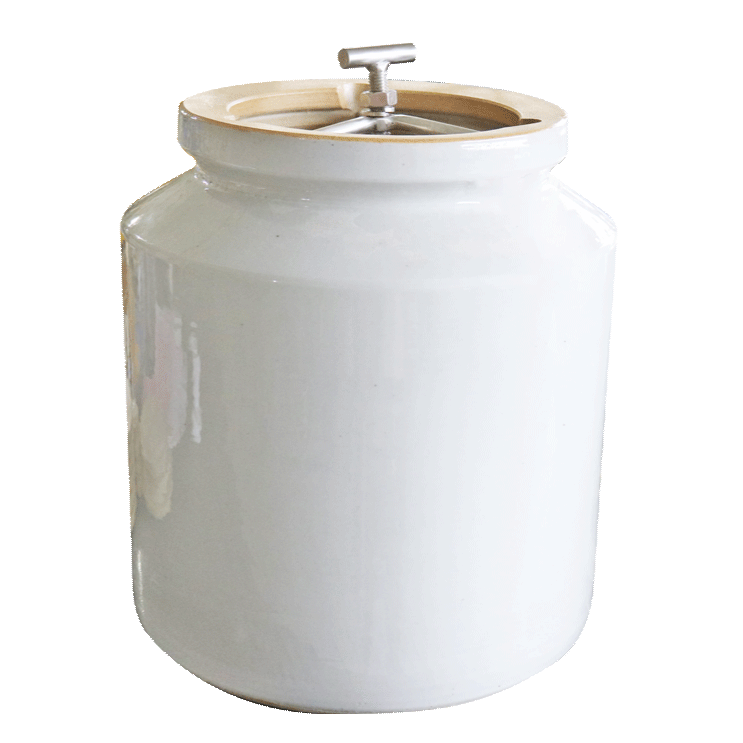
What exactly does a ceramic grinding drum solve?
The grinding drum is more than just a container. This is the working volume in which the material receives energy from the grinding media, and the walls are at the same time the largest area of contact with the sample. Therefore, the choice of drum determines three things: the coarseness that can be achieved at all, the composition of the sample after grinding, and how labor-intensive the preparation will be between different materials.
A ceramic drum is in demand where a metal lining is unacceptable: when preparing samples before elemental analysis, where iron, chromium or nickel from steel distort the result; when grinding abrasive oxides, where mild steel wears out quickly; when working with materials sensitive to metal contamination - catalysts, phosphors, ceramic charges, pigments, certain pharmaceutical and food powders.
At the same time, the product to which the article is devoted — ceramic grinding drum — placed in the section of equipment for roller ball mills, that is, it refers to rotating cylindrical containers, and not to the grinding bowls of planetary mills and not to the working chambers of bead mills. This difference is fundamental: externally similar vessels differ in the method of fastening, wall thickness, the presence of a seal and tolerances for peripheral speed.
Four related topics are covered below: drum material and sample compatibility, wear and contaminant transfer, loading and grinding behavior, and cleaning and drive compatibility. This order reflects the actual sequence of decisions when selecting equipment.
Drum material and sample compatibility
The first thing to establish is what ceramic material a particular drum is made from. Grinding equipment contains aluminum oxide (corundum) of varying purity, zirconium dioxide, silicon nitride, tungsten carbide, agate, as well as polymer inserts and combined options. The word “ceramics” in itself is not a characteristic: behind it are materials of different hardness, viscosity, density and chemical resistance.
Main groups of ceramics and their compromises
General patterns useful in primary selection look like this. Corundum (aluminum oxide) combines high hardness with a moderate price, but is brittle and at high purities differs markedly in aluminum oxide content, which reduces the level of impurities. Zirconium dioxide is inferior to corundum in hardness, but superior to it in viscosity and density: it resists chipping better, and the large mass of grinding bodies gives higher impact energy. Silicon nitride has good resistance to thermal cycling and chemical attack. Tungsten carbide is a very hard and dense material, but it contains a metal binder, usually cobalt, and it is the binder that determines what elements can be included in the sample. Agate produces minimal contamination, however, it is softer and lighter than the listed materials, so it is not suitable for hard and abrasive samples.
The rule of thumb is simple: the material of the drum and grinding media must be harder than the sample being ground. If the hardness is comparable or lower, tool wear becomes the main source of impurity, and no careful technique will compensate for this.
Why “ceramics” is not just one characteristic
Even within the same group of materials, properties vary. The behavior of the drum is influenced by the purity of the initial powder, grain size, sintering additives, porosity and the quality of the internal surface treatment. For zirconium ceramics, the stabilizing additive determines not only the mechanical properties, but also the tendency to undergo phase transformations during heating and shock loads. For corundum, the content of impurities (silicon, alkali and alkaline earth elements) is directly related to what elements the lining can “bring” into the sample.
Therefore, the correct formulation of the question is not “ceramics or steel”, but “which ceramic material, with what purity and what porosity, and is it compatible with my sample and my method of analysis.” The answer is provided by the accompanying product documentation and supplier data, rather than by general considerations.
Chemical compatibility should also be taken into account. Ceramics, inert in one case, can react in another: alkaline environments and some melts are aggressive to aluminosilicate materials, and strongly acidic ones are aggressive to materials with a metal binder. If wet grinding is assumed, the medium interacts with the sample, the walls of the drum, and the grinding media simultaneously.
Wear and transfer of impurities: lining, grinding media, sample
The introduction of impurities is rarely the result of a single factor. Typically there are three sources: lining wear, grinding media wear, and contamination during preparation or cleaning. They need to be assessed together, since the relative contribution depends on the ratio of the mass of the equipment to the mass of the sample.
Lining wear
The abrasive wear of the lining is determined by the hardness and shape of the sample particles, impact speed, grinding duration and temperature. Fragile ceramics wear out mainly through micro-chipping: small fragments are separated and end up in the sample. Viscous ceramics wear out more slowly, but also not indefinitely. For quantitative assessment, it is useful to remember a simple relationship: with an equal mass of worn material, the smaller the mass of the sample, the greater the relative impurity. A sample of a few grams is much more sensitive to the same micrograms of contamination than a sample of hundreds of grams.
The second mechanism is corrosive, or chemical wear. It manifests itself in liquid media and at elevated temperatures and may be invisible visually, but make a significant contribution to the composition of the sample. The third mechanism is thermal: prolonged operation without heat removal increases the temperature in the grinding zone, which accelerates both abrasive and chemical wear.
Wear of grinding media and their role in contamination
Grinding media wear out in a similar way, but their contribution is usually higher because they are in constant motion and are in contact with the material over the entire surface. The material of the grinding bodies is selected according to the same logic as the material of the drum, but with an additional condition: the bodies and lining should not be too different in hardness unnecessarily - otherwise the softer element will wear out faster.
The size of the grinding bodies determines the nature of the impact. Large bodies provide more impact energy and are more effective at breaking up large particles, but create fewer contact points and cause faster wear. Small bodies increase the number of contacts and work more towards abrasion, which helps with fine grinding, but reduces the ability to destroy strong aggregates. The ratio of the size of the bodies and the diameter of the drum is also important: bodies that are too large for a given drum lose mobility and work ineffectively.
Impurities from grinding bodies are assessed not by one element, but by a set of marker elements characteristic of the material of the bodies. If such markers are monitored before and after grinding, contamination can be separated from natural variation in the composition of the sample.
Loading, volume and mass ratio
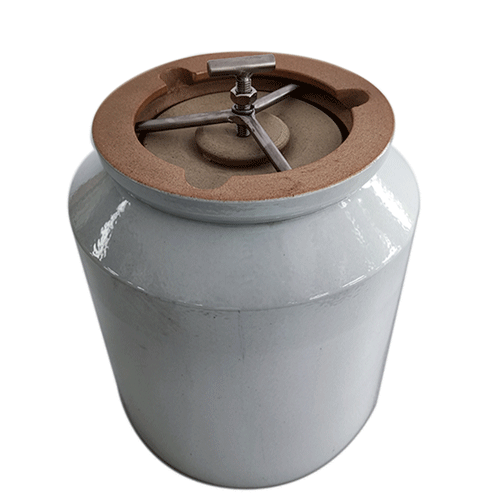
One of the common mistakes when selecting equipment is mixing different volumes in one discussion. It is necessary to separate: the full geometric volume of the drum, the working volume taking into account the grinding media, the volume of the loaded material, the mass of the sample and the productivity over time. These are different quantities, and the parameter of one of them is not automatically transferred to the other.
Free space in the drum is necessary for the movement of grinding media. If the volume is filled completely, the grinding will stop: the bodies will not be able to rise and fall. Approximately, the filling fraction, taking into account the grinding media, should not be close to full; Specific recommendations depend on drum design, rotation speed and material properties.
The ratio of the masses of the grinding media and the sample is a key controlled parameter. More media for the same sample weight increases the number of contacts and speeds up grinding, but at the same time increases the wear area and potential contamination, and also requires more volume. Fewer media reduces contamination, but lengthens grinding, and prolonged grinding itself increases total wear. There is always a compromise here, and the optimum depends on the target size and the acceptable level of impurities.
The weight of the sample also affects the result. With a small sample, edge effects and losses on the walls become more noticeable, and the relative contamination increases. With a large sample, the homogeneity of mixing inside the drum may deteriorate. Therefore, the sample should be selected taking into account both the analytical technique and the geometry of the drum.
The original size of the material is another factor that cannot be ignored when planning. The drum mill works effectively with particles up to a certain size; a piece that is too large requires preliminary crushing. The declared typical minimum size applies to certain conditions and does not guarantee the same result for any sample: the final particle size distribution depends on the material, initial state, environment, mode and method of measurement.
Dry and wet grinding in a ceramic drum
The choice between dry and wet grinding affects size, contamination and subsequent sample preparation. These are not interchangeable modes: each has its own limitations.
| Parameter | Dry grinding | Wet grinding |
|---|---|---|
| Wednesday | Air in the free volume of the drum | Liquid, most often water or an organic solvent |
| Agglomeration | Expressed: fine particles stick together and stick to the walls | Reduced: liquid separates particles and removes heat |
| Achievable fineness | Limited by sticking and dusting | Typically thinner at comparable times |
| Sources of pollution | Lining, bodies, dust removal | Lining, bodies, liquid and its impurities |
| Preparation after grinding | Minimal | Requires separation and drying, possible segregation during drying |
| Restrictions | Poorly suited for plastic and stick-prone materials | Not suitable for materials that dissolve or react with the environment |
Separately, it is worth distinguishing between two similar but different tasks: particle destruction and disagglomeration. Fracture reduces the size of the primary particles; disagglomeration only separates already existing aggregates. If the sample contains strong agglomerates, and the goal is to obtain individual particles, the grinding mode and medium are selected differently than for true grinding. Mixing powders, in turn, is not grinding at all, although it occurs in the drum at the same time and can be a useful side effect.
In wet grinding, it is important to consider the nature of the liquid. Water is accessible and safe, but it contributes to the corrosion of metal equipment and can introduce its own impurities. Organic solvents reduce surface tension, but require safety precautions and disposal. In addition, the liquid changes the rheology of the suspension: a suspension that is too thick inhibits the movement of the grinding media and reduces grinding efficiency.
Drum Cleaning and Cross Contamination
There is no single cleaning regimen that is suitable for all ceramic drums and all samples. Porous ceramics absorb liquid and hold particles in open pores; Glazed or polished surfaces are easier to clean. Therefore, when choosing a drum, you should immediately find out how the internal surface is structured and whether it allows wet cleaning, solvent treatment or heat treatment.
Several approaches are practically applicable. Mechanical brushing removes most of the adhering material. Washing with water or solvent is effective for insoluble and unreactive samples. Calcination helps burn off organic residues, but requires assurance that the drum material can withstand the heat without degradation. Sometimes “blank” runs with inert material are used to bind residual contaminants before the main sample.
The most reliable organizational technique is to assign a separate drum to a specific type of material. Cross-contamination between samples is often more significant than lining wear, especially when dealing with trace elements. Changing materials requires either separate equipment or a proven cleaning procedure with cleanliness control.
After cleaning, the drum must be dried to a constant weight if gravimetric control is carried out. Residual moisture or solvent residues change the sample weight and distort yield calculations.
Drive Compatibility: What Not to Assume
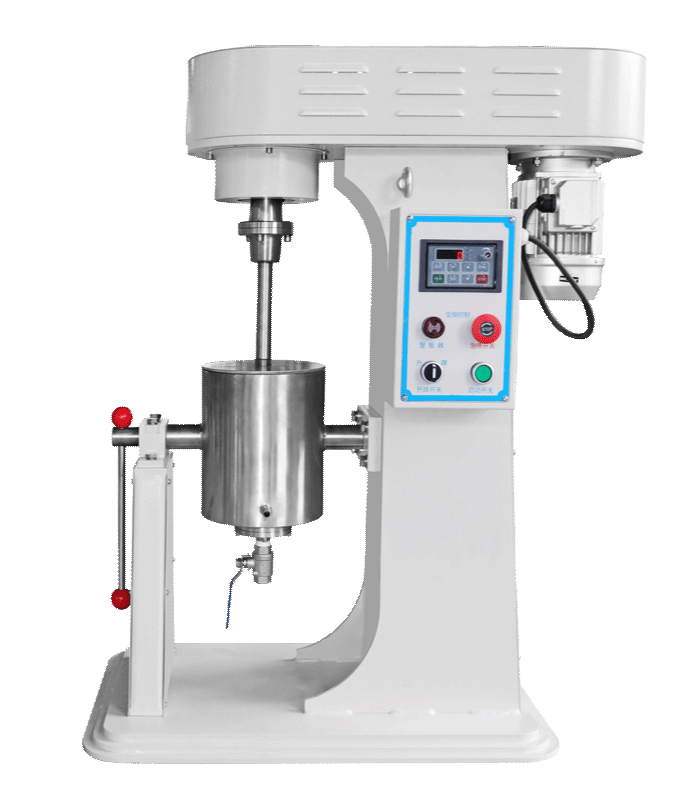
The drum only works in the drive for which it is designed. The roller ball mill rotates the drum from the outside, supporting it on rollers; the planetary mill secures the glass in the carrier and imparts complex movement to it; the bead mill uses a stirrer chamber and fine bodies; mixing mill, e.g. electric lifting ball mill with stirring, works on a different principle and uses its own design of the working chamber with a rotating shaft. These are different devices, and equipment of one type does not automatically become suitable for another.
Therefore, when selecting, be sure to check: the method of fastening and fit of the drum, the permissible peripheral speed, the presence and type of lid seal, as well as the compatibility of the lid and gasket materials with the sample and the environment. Accidental similarity in size is not evidence of compatibility.
Additionally, balancing should be taken into account. Ceramic is heavier than steel with comparable dimensions, so switching to ceramic tooling can change the load on the drive and the nature of vibration. This is another reason to coordinate the replacement of equipment with the equipment manufacturer.
What to check before trial grinding
Trial grinding only provides useful data when the control parameters and evaluation criteria are predetermined. Before starting, it makes sense to prepare the following information.
- Nature of the sample: material, initial particle size and distribution, hardness, tendency to stick, chemical activity, presence of agglomerates.
- Result requirements: target size and method of measuring it, acceptable impurity content, the importance of maintaining the phase composition.
- Drum material: confirmed ceramic type, cleanliness, porosity, condition of the internal surface, presence of lid seal.
- Grinding media: material, size, quantity, total mass, ratio to sample mass.
- Mode: dry or wet grinding, medium, filling percentage, rotation speed, duration, presence of pauses and cooling.
- Control: a set of marker elements for assessing contamination, a blank sample, a method for selecting a representative sample after grinding.
- Cleaning: procedure between samples, permissibility of wet and heat treatment, drying procedure.
It is worth remembering that a laboratory result does not automatically scale to a larger batch. As the volume increases, the surface-to-mass ratio, heat generation, the nature of the movement of the grinding bodies and the wear rate of the equipment change. Parameters that are acceptable for a sample of a few grams may require revision for a larger batch.
It is convenient to check the range of accessories and grinding equipment according to catalog TENCAN, but the final choice of drum material and grinding media is determined by the specific task. If there is insufficient data on compatibility, it is more correct to clarify it with the manufacturer than to substitute values by analogy. An incorrectly selected drum-grinding media pair does not appear immediately: first there is a small impurity, then accelerated wear, and then irreproducible results between batches.
Frequently asked questions
Can a ceramic drum be considered a universal solution for any sample? No. It reduces the risk of metal transfer, but the specific type of ceramic has its own hardness, porosity and chemical resistance that must be matched to the sample.
Is one cleaning sufficient between different materials? Depends on the porosity of the drum and the requirements of the technique. When working with trace elements, it is safer to attach separate equipment to the type of material.
Are ceramics guaranteed to be stain-free? No. Any lining and any grinding media wear out; the challenge is to make this contribution predictable and acceptable to the method of analysis.
Can a roller mill drum be used in another drive? Only with confirmed compatibility in terms of fastening, speed and sealing. External similarity in size is not such a guarantee.
The bottom line is simple: choosing a ceramic grinding drum is not about choosing a “clean” material in general, but about matching the material, wear, loading, environment and cleaning to a specific sample and a specific analytical method. The sooner these conditions are established, the fewer surprises a trial grind will produce and the easier it will be to move on to a reproducible procedure.