
The ceramic grinding drum is perceived as a secondary accessory: a container for the sample and grinding media. In practice, it affects sample purity, grinding reproducibility, material loss, and the time the laboratory spends on cleanup. The article is about a ceramic grinding drum TENCAN, his role in sample preparation and what questions need to be addressed before ordering. Let’s immediately clarify the boundary: the coincidence of the category name does not prove compatibility with a specific mill, and the word “ceramics” in itself does not guarantee the absence of contamination.
What exactly do you choose in a ceramic grinding drum?
The grinding drum is a working chamber, and not just a container. In the product card ceramic grinding drum TENCAN described as a grinding product; however, the general name refers to the size, material, design of the cover, condition of the internal surface and method of installation. These parameters cannot be replaced by guesses from photographs. If the card does not name a specific ceramic material, internal volume or connection dimensions, they must be requested separately and checked against the task.
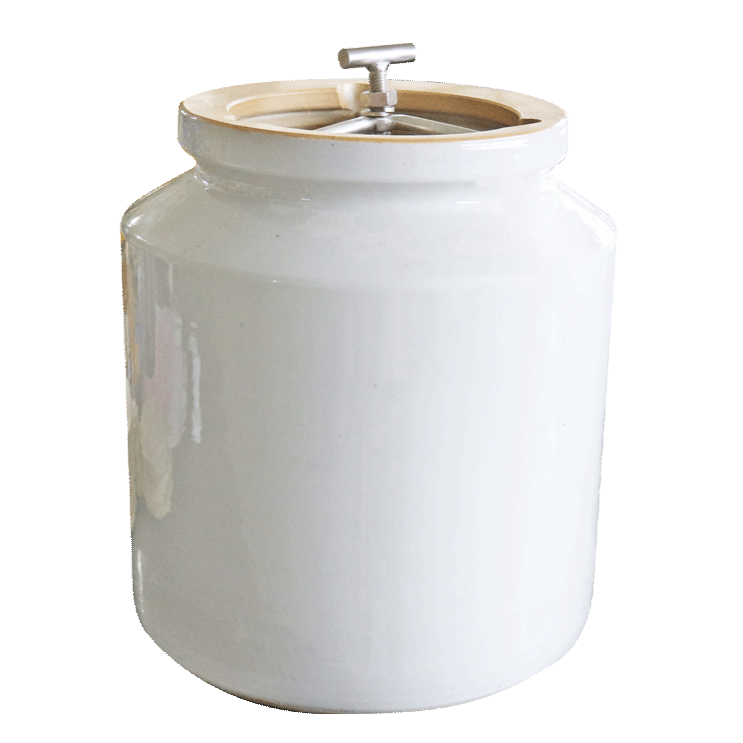
The first level of choice is geometry. A distinction is made between the total volume of the drum, the useful volume taking into account the grinding media and free space, the internal diameter, length and wall thickness. The total volume is not equal to the mass of the loaded powder. Free space is needed for the movement of grinding media; A deficiency increases heat and unevenness, while an excess reduces the effectiveness of impact and abrasion. The exact loading percentages allowed depend on the drum design and must be confirmed by the supplier.
The second level is material. If only “ceramics” is indicated in the description, corundum, zirconium dioxide or other specific composition cannot be automatically substituted into the calculation. Different ceramic materials differ in density, hardness, crack resistance and chemical resistance. This determines wear, the acceptable environment and the risk of particles in the sample. The name “ceramic” is useful as a primary sign, but is not enough for selection without passport data.
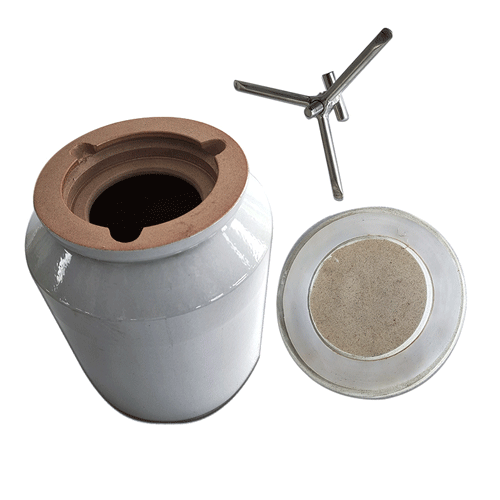
The third level is the cover and seal. Depending on the design, the drum may have a pressure cover, gasket, clamp or other sealing method. For wet grinding and for highly fluid powders, it is important that the seal is compatible with the liquid and does not break down during cleaning. It cannot be assumed that any gasket is suitable for all solvents. If the materials do not contain information about the durability of the seal, this issue is included in the test program.
The fourth level is installation. The drum's weight, outer diameter, length, bottom shape and method of fixation affect whether it will fit into a roller mill or other device. Even a drum of similar volume may not fit on the rollers, may not fit into the casing, or create an unacceptable load. Compatibility is checked by the drawing and parameters of the mill, and not by external similarity. Therefore, before ordering, it is useful to request the dimensions, empty weight of the product and permissible loading weight.
Ceramics: what it gives and what it doesn’t promise
Ceramics are chosen for their wear resistance and chemical inertness, but these properties are not absolute. Compared to metal linings, ceramics may provide less transfer of some elements, but they also wear out. The wear product gets into the powder and remains on the walls and in the seals. Therefore, the correct wording is not “no pollution”, but “controlled levels of pollution under confirmed conditions.”
The word “ceramics” combines different materials, such as corundum or zirconium ceramics. They are not interchangeable in terms of density, strength, impact behavior and media resistance. If the card does not name a specific material, you should not attribute to the product the properties of the composition that seems familiar. For selection, not only the name is important, but also confirmation from the manufacturer: what ceramics are used, how the internal surface is processed, what grinding media are recommended.
High hardness does not mean eternity. Ceramics can withstand abrasive wear but remain brittle. Chips on the edge, a network of microcracks, chipping near the lid or seat belt are not cosmetic defects. A damaged surface accelerates further wear and makes cleaning more difficult. After each complex grinding, it is useful to inspect not only the inner wall, but also the edges, sealing belt and attachment points.
Chemical resistance also needs to be checked. Ceramics may be inert to some media and unsuitable to others, especially when subjected to prolonged wet grinding, heating, or the use of concentrated solutions. If wet grinding is planned, you need to agree with the supplier not only the drum material, but also the liquid, temperature, contact time and cleaning method. Without this data, it cannot be promised that the transport of impurities will remain at the same level.
Thermal limitations cannot be inferred from appearance. A ceramic drum is not automatically suitable for hot samples or rapid cooling. If the documentation does not confirm heat resistance, heating and cooling are carried out separately from grinding. This is especially important when the sample was dried before grinding or when the grinding itself noticeably increases the temperature in the chamber.
| What to clarify | Why is this important |
|---|---|
| Specific ceramic material | Wear, durability and permissible environment depend on it |
| Complete and useful volume | Prevents confusion between drum capacity and sample loading |
| Cover and seal design | Determines tightness and cleanability |
| Permissible liquids and temperatures | Needed for wet grinding and drying without risk of damage |
Wear and transfer of impurities: where is the normal boundary?
Wear during grinding is inevitable: the grinding bodies and walls come into contact with the abrasive material. The question is not whether the drum wears out at all, but how predictable and acceptable this process is for a particular sample. For some problems, a slight color change is acceptable; for others, even single particles of ceramics disrupt the analytical result. Therefore, the norm is set before work begins, and not after doubts arise.
The first signs should be looked for not only in the powder. Changes in the roughness of the inner wall, dull spots, dark streaks, marks on the lid, difficulty cleaning and loss of seal may indicate wear or improper operation. The color mark itself does not prove that the drum was the source of contamination: the grinding media, the gasket, the previous sample and the environment also make a contribution. A control experiment and, if necessary, an analysis of the composition of impurities is needed.
Grinding media do not become compatible with the drum just because both products are grinding. The ratio of hardness, size and material affects which wears out faster. An environment that is too aggressive for the selected ceramic may increase the transfer of impurities and accelerate edge failure. Recommendations for grinding media should be obtained for a specific drum and a specific application, and not transferred from other equipment.
| Observation | What to check | What not to do |
|---|---|---|
| The powder has changed color | Control grinding, composition of impurities, wall condition | Do not announce a reason without analysis |
| Chips appeared | Edges, cover, seal, loading mode | Do not continue working with a damaged product |
| The sample is less cleaned | Roughness, residues in corners and near the lid | Do not use abrasive tools |
| The lid does not hold liquid | Gasket, fit, clamping, media compatibility | Do not increase the pressure without checking the design |
A damaged drum should not be used for critical samples. A crack or chip can lead to loss of seal, entry of large particles and injury when working with rotating equipment. If any doubt arises, the product is taken out of service until the manufacturer inspects and makes a decision. This is more practical than trying to compensate for the defect by increasing the grinding time.
It is useful to keep a log: date, material, sample weight, type of grinding media, medium, mode, cleaning result and drum condition. This log helps distinguish normal wear from abnormal conditions and justify replacement. It also shows whether the transfer of impurities has started after changing the supplier of powder or grinding media.
Volume, loading and geometry: compatibility starts with numbers
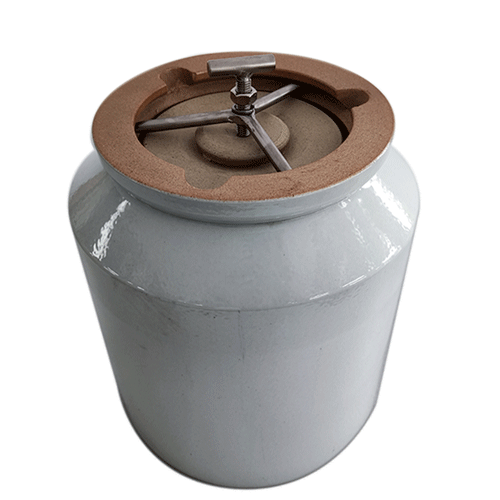
The total volume of the drum and the sample volume are different values. Grinding media, a sample and free space for their movement should be placed inside. Filling the chamber too tightly increases friction, heat and unevenness; if too weak, the grinding efficiency will be reduced. Specific limits depend on the geometry, the mass of the grinding media and the requirements of the technique, so they cannot be assigned only from a photograph or from the volume of a similar drum.
The mass of the sample is not equal to the mass of the grinding media and is not equal to the productivity. For one sample it is important to obtain a representative result, for a series it is important to maintain repeatability. Different tasks require different loads: the destruction of large particles, disagglomeration and simple mixing proceed differently. Do not assume that increasing the load always speeds up grinding. Under certain conditions, it leads to overheating, sticking and increased wear.
For installation on a roller mill, the outer diameter, length, weight, condition of the rolling surface and permissible speed are checked. The drum should lie firmly on the rollers, not slip or create vibration. If the mill has a casing, size restrictions become especially important. Compatibility is confirmed by a drawing and parameters of a specific installation; the same category name does not provide such a guarantee.
You cannot determine useful volume by appearance. Wall thickness, bottom shape, ridges and lid design change the interior space. Repeatable work requires measured values and a clear loading pattern. If a range is given by the supplier, it should be taken as a guideline for testing and not as permission for any loading.
Dry and wet grinding have different requirements. In a wet process, tightness, seal resistance, and cleanability after the liquid are important. In dry conditions - dust loss, deposition on walls and the behavior of small particles. You cannot transfer a regime worked out for one type of grinding to another without checking. It is also necessary to distinguish between grinding and disagglomeration: in one case it is necessary to destroy the primary particles, in the other - only to break up the aggregates.
Cleaning and transition between samples: where reproducibility is lost
The purpose of cleaning is to remove residue from the previous sample without damaging the surface or creating a new environment for contamination. This is especially important for a ceramic drum: the roughness and micro-relief retain the powder, and aggressive cleaning can accelerate wear. Washing should not become a hidden part of the technique that cannot be repeated.
A reasonable sequence begins with dry removal of residue with a soft instrument. Then use a cleaner approved for the material and seal; after it - washing and drying. Wire brushes, abrasive powders and strong scraping may cause scratches. If the manufacturer has not confirmed resistance to a particular solvent, it should not be used simply because it is convenient for other laboratory glassware.
Seals and corners require special attention. It is there that small particles accumulate, which then appear in the next sample. Removable elements are cleaned according to the instructions, and if in doubt, replaced. Do not dry the drum at a temperature that is not approved for the ceramic and gasket. Also, do not store it closed immediately after wet grinding: residual moisture will interfere with the next dry grinding.
Checking cleanliness is not limited to a visual inspection. Control grinding without a sample or with an inert sample is useful, as well as wiping with a clean surface and analysis of the washout, if the technique requires it. For sensitive tasks, it is better to attach a separate drum to a group of materials. This does not guarantee absolute purity, but it reduces the risk of cross-contamination and makes the results clearer.
You should not promise sterility or complete absence of impurities just based on the word “ceramics”. You need to confirm specific indicators: what you washed with, how many times, how you dried it, what kind of control there was. If the laboratory has a cleaning protocol, it will be agreed upon with the drum and seal supplier. Otherwise, a convenient procedure may be incompatible with the material.
Test grinding: how to test the drum, not just the powder
Test grinding is needed not to get a beautiful photo of the powder, but to answer specific questions. Is the drum material suitable for this test? Are there any impurities? Is the camera getting hot? Can the product be cleaned to an acceptable level? Is it possible to repeat the result? If the test program is not formulated, even the successful appearance of the sample proves little.
The test plan begins with fixing the initial state: sample weight, size, humidity, grinding media material, drum volume, mode and duration. It is useful to perform a control run with inert or minimal loading to isolate the contribution of the drum from that of the grinding media and previous cleaning. The experiment is repeated at least twice if the task requires reproducibility.
It's not just the size that is measured. We need particle size distribution, yield, losses on the walls, visual signs of contamination and the condition of the drum after grinding. For temperature-sensitive materials, record the heating, but do not confuse the ambient temperature with the sample temperature. If a technique requires analysis of impurities, it is planned in advance, and not after a questionable result appears.
Dry and wet experiments are compared separately. In the wet process, they check for tightness, compatibility of the fluid with the seal, and ease of cleaning. In dry - dusting, sedimentation and homogeneity. The results of one mode cannot be transferred to another without re-checking. It is also important to distinguish between particle size reduction and aggregate breakdown: the particle distribution may change, but the primary particles will remain the same.
Acceptance criteria are formulated before testing. This may be an acceptable level of impurities, absence of chipping, maintaining tightness, achieving a specified distribution, or an acceptable cleaning speed. After the test, the drum is inspected again. If cracks, chips or hard-to-remove deposits appear, the product should not be considered suitable just because one experiment yielded the required powder.
What data to prepare for selection
To select a ceramic grinding drum, it is useful to prepare a short but specific set of data. It helps the supplier avoid guessing the problem and reduces the risk that the product will be compatible in name only.
- Material and origin of the sample, its original size and moisture content.
- The mass of one sample and the desired mass of the batch, as well as acceptable losses.
- Target result: grinding, disagglomeration or mixing.
- Type of grinding: dry or wet, indicating the medium and temperature.
- Planned grinding media: material, size and weight.
- Mill model, mounting dimensions, drum weight and installation restrictions.
- Requirements for purity, permissible impurities and control method.
- Cleaning protocol, available solvents and drying method.
Don't limit yourself to a photo of a similar drum and a general question “will it fit?” Drawing, internal dimensions, seal condition and material confirmation are helpful. If only the mill model is known, this may not be enough: it is important how exactly the drum is fixed and what load the installation can withstand. On the website TENCAN you can check the general direction of the equipment, but specific compatibility is still confirmed by the product parameters.
The practical conclusion is simple: a ceramic grinding drum is chosen not by one word in the name, but by the combination of material, geometry, compaction, cleaning and installation conditions. The sooner acceptable impurities and control regimes are determined, the clearer it is whether a different material, a smaller load, or a separate drum for sensitive samples is needed. Testing on a real sample remains mandatory, since the catalog does not replace testing of a specific task.